


YOU ARE LOOKING AT THE MOST POISONOUS ANIMAL OF EARTH
YOU ARE LOOKING AT THE MOST POISONOUS ANIMAL OF EARTH
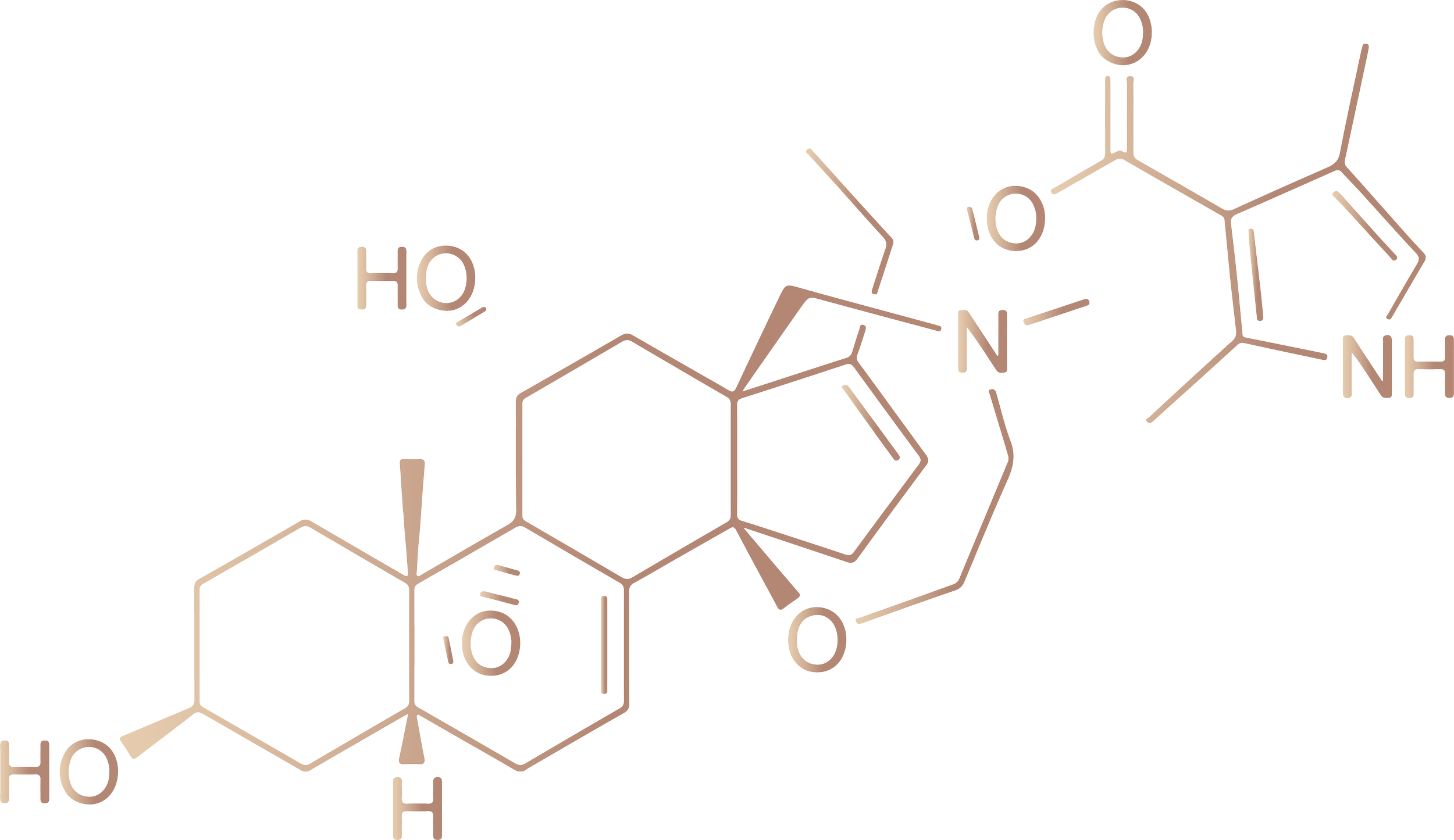
BATRACHOTOXIN STRUCTURE
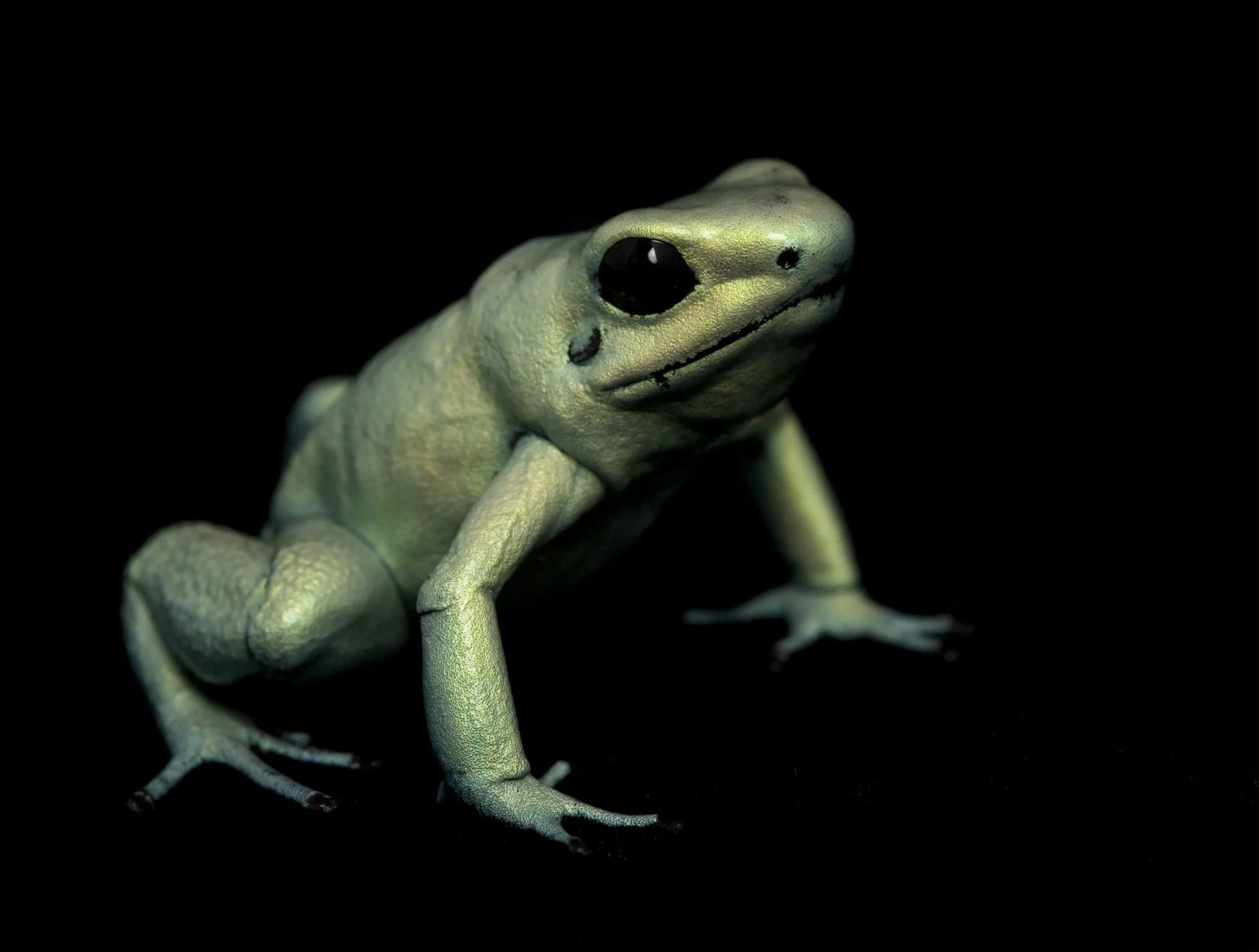
PHYLLOBATES TERRIBITIS “MINT”
This frog from the Dendrobatidae family was officially discovered in 1973 by biologists Charles W. Myers, John W. Daly, and Borys Malkin during their expedition to the humid rainforests of the Colombian Chocó.
Its skin is saturated with batrachotoxins, considered one of the most potent known biological toxins.
A single frog contains enough venom to kill 20 people, 10,000 mice, or 1 elephant.
Its poison works by keeping sodium ion channels open, which maintain communication between the nervous system and muscles, causing paralysis and fatal respiratory failure.
There is no antidote against its poison.
Although it is the most poisonous animal, it is not dangerous, as it lacks any means of inoculation (fangs, stinger, spines, urticating hairs, or projection).
Its poison comes from a diet rich in alkaloids in a chain (plant → insect → frog), which are stored, concentrated, and potentiated by the frog.
Its poison is currently being studied for the treatment of epilepsy cases.

color variations of the specie
cultural importance
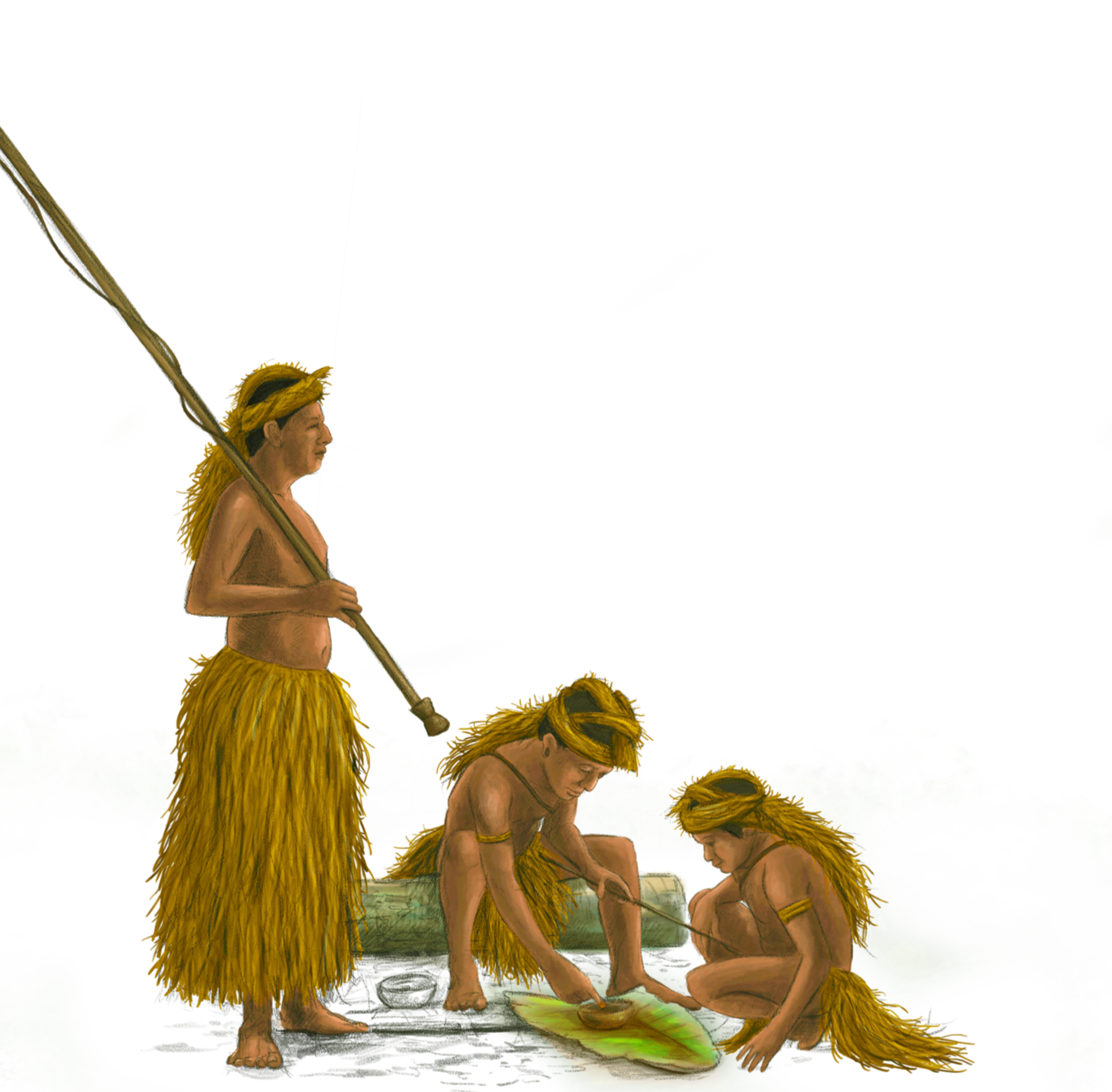
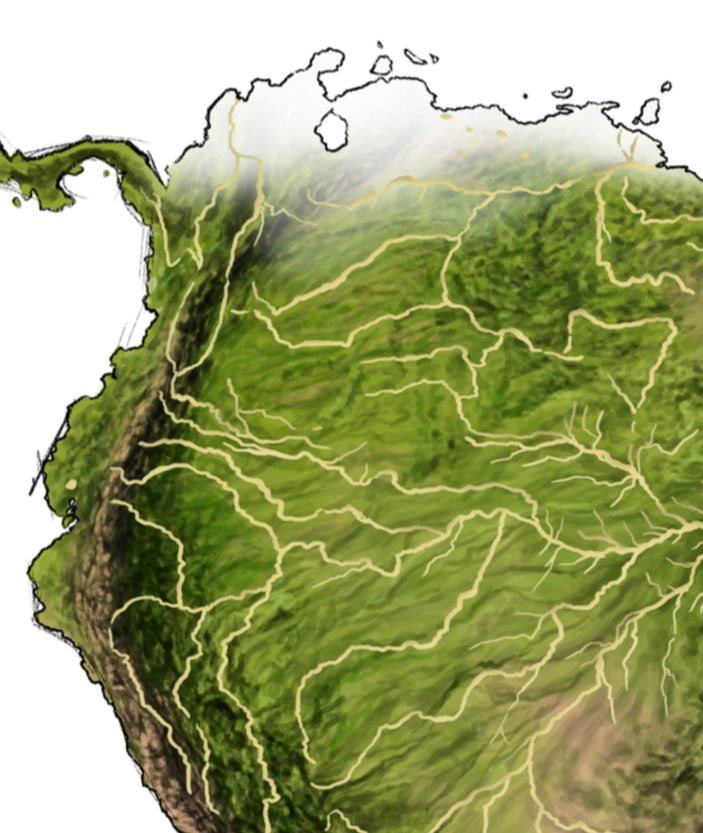

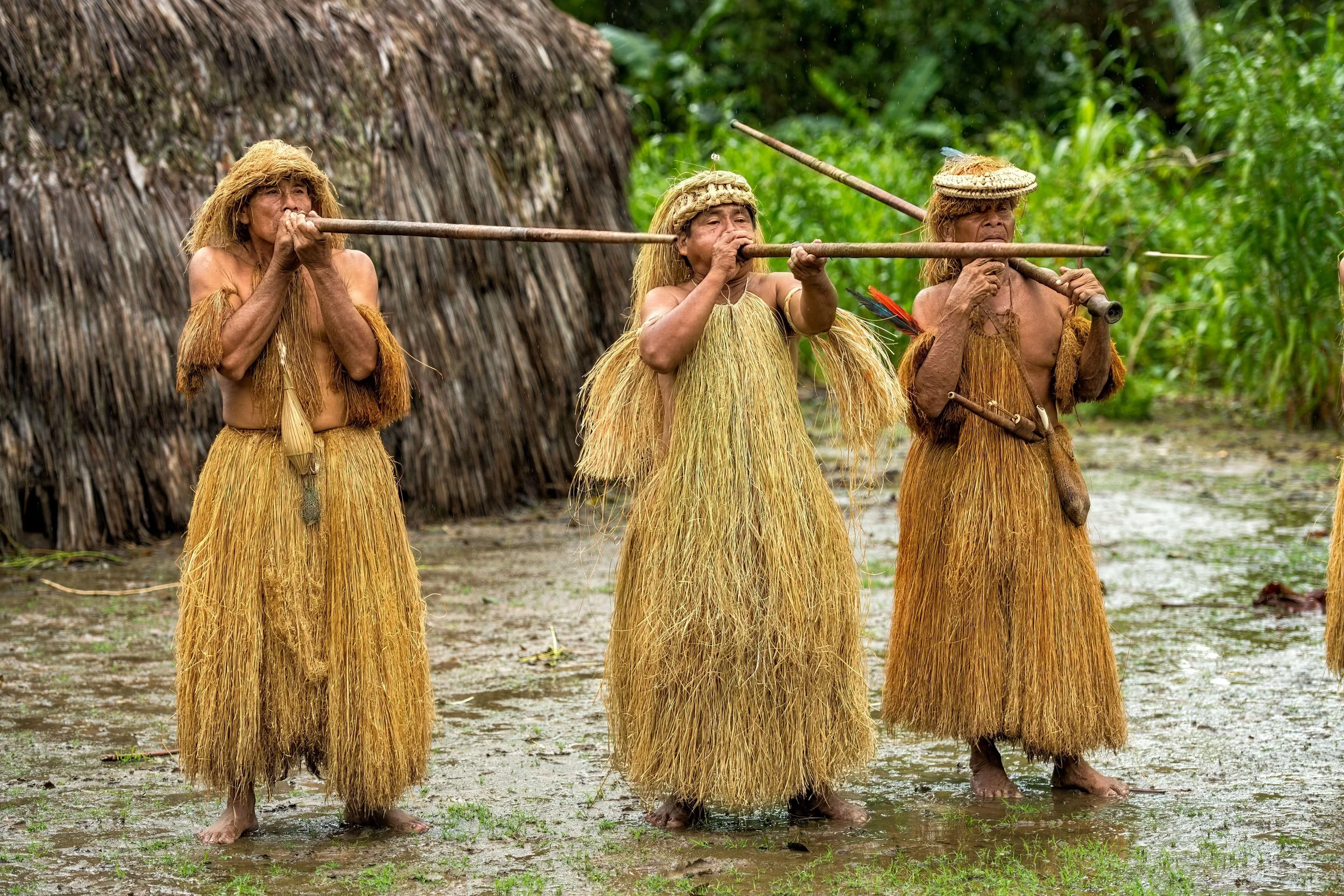
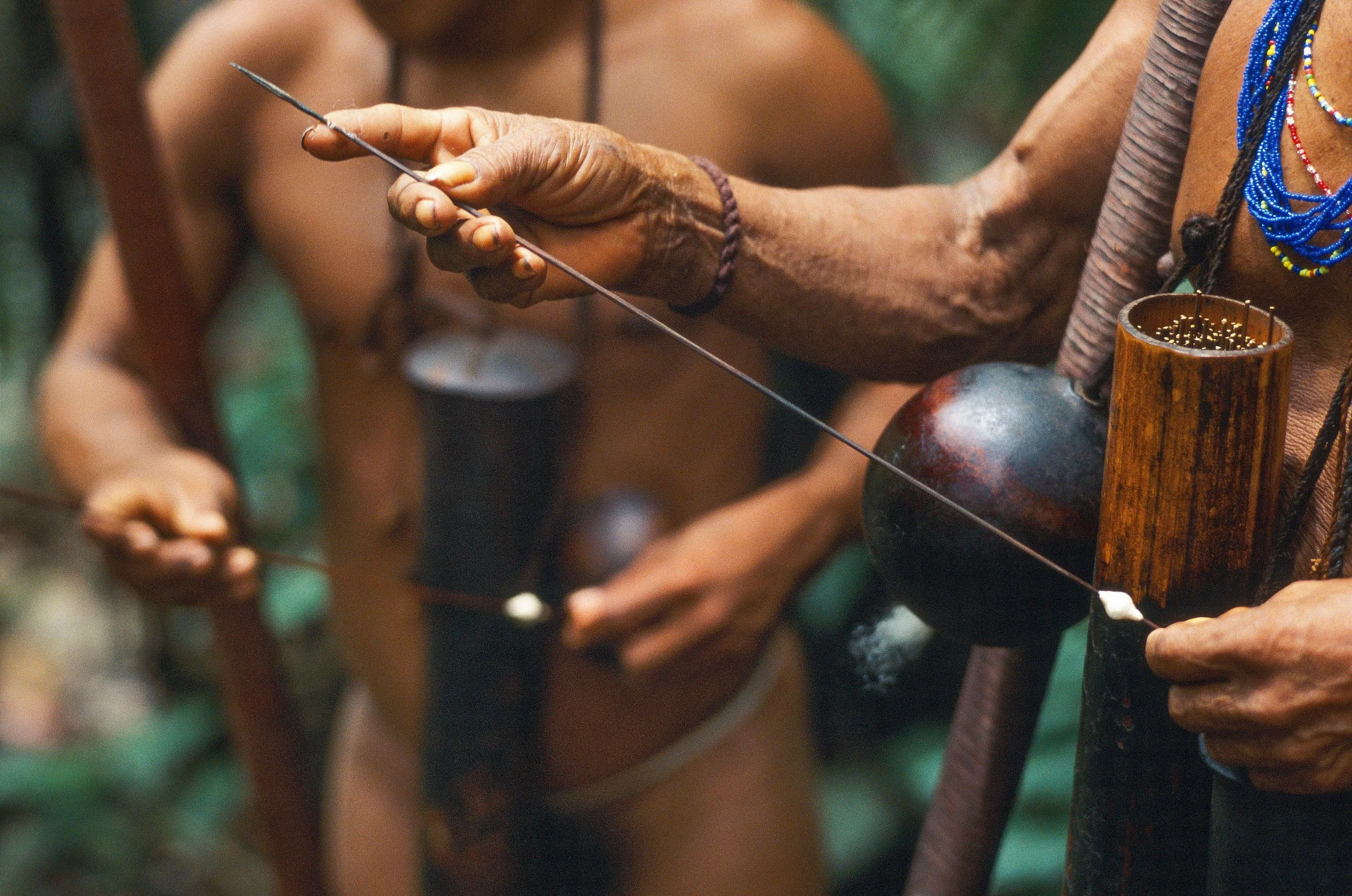
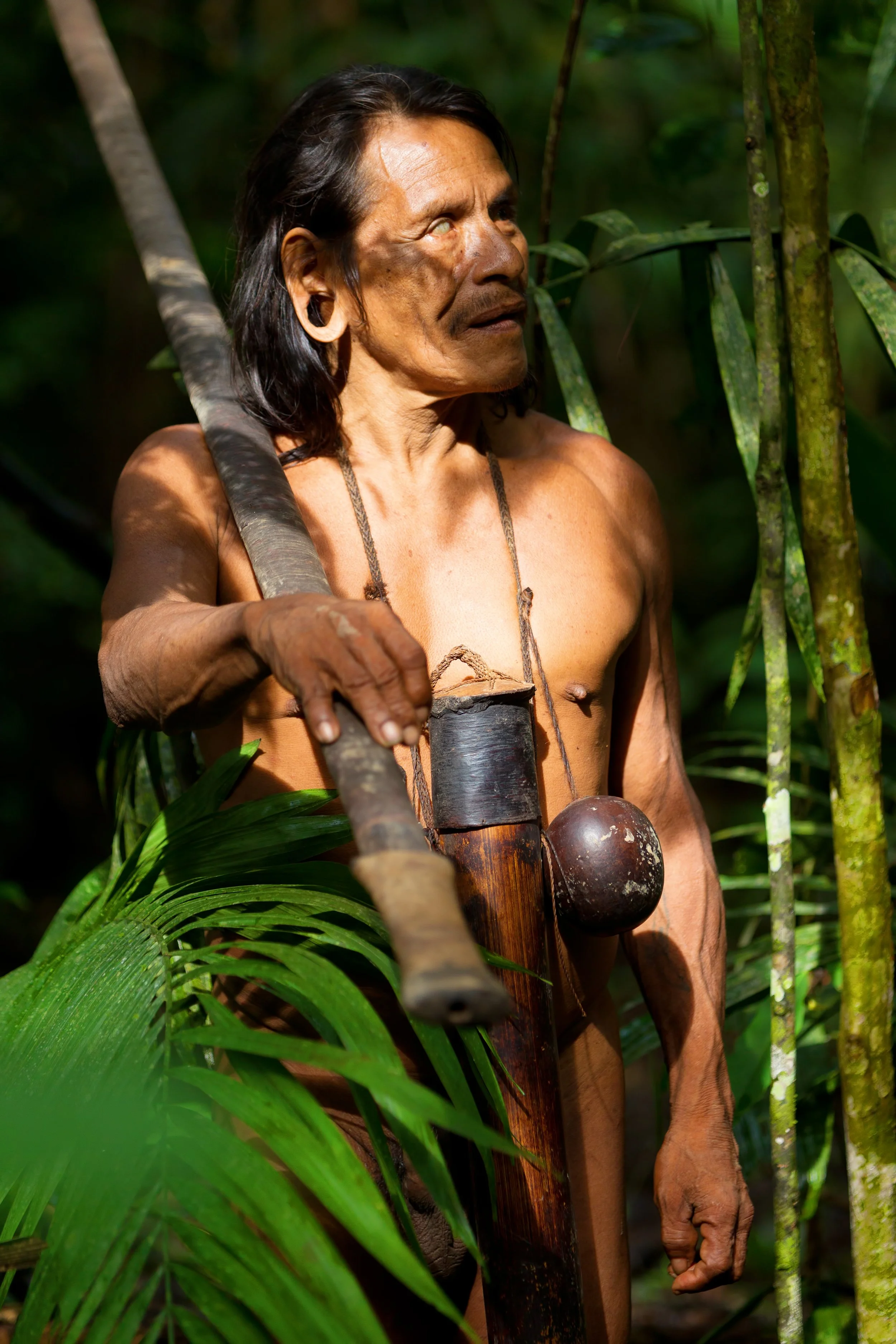
TIMBIQUÍ, COLOMBIA.Nowadays, the security leaders in the communities of the region carry blowguns with poisoned darts as a means of defense. In the 1980s, there was still a civil war between indigenous peoples, and they made use of the frog´s poisoned darts to kill each other.
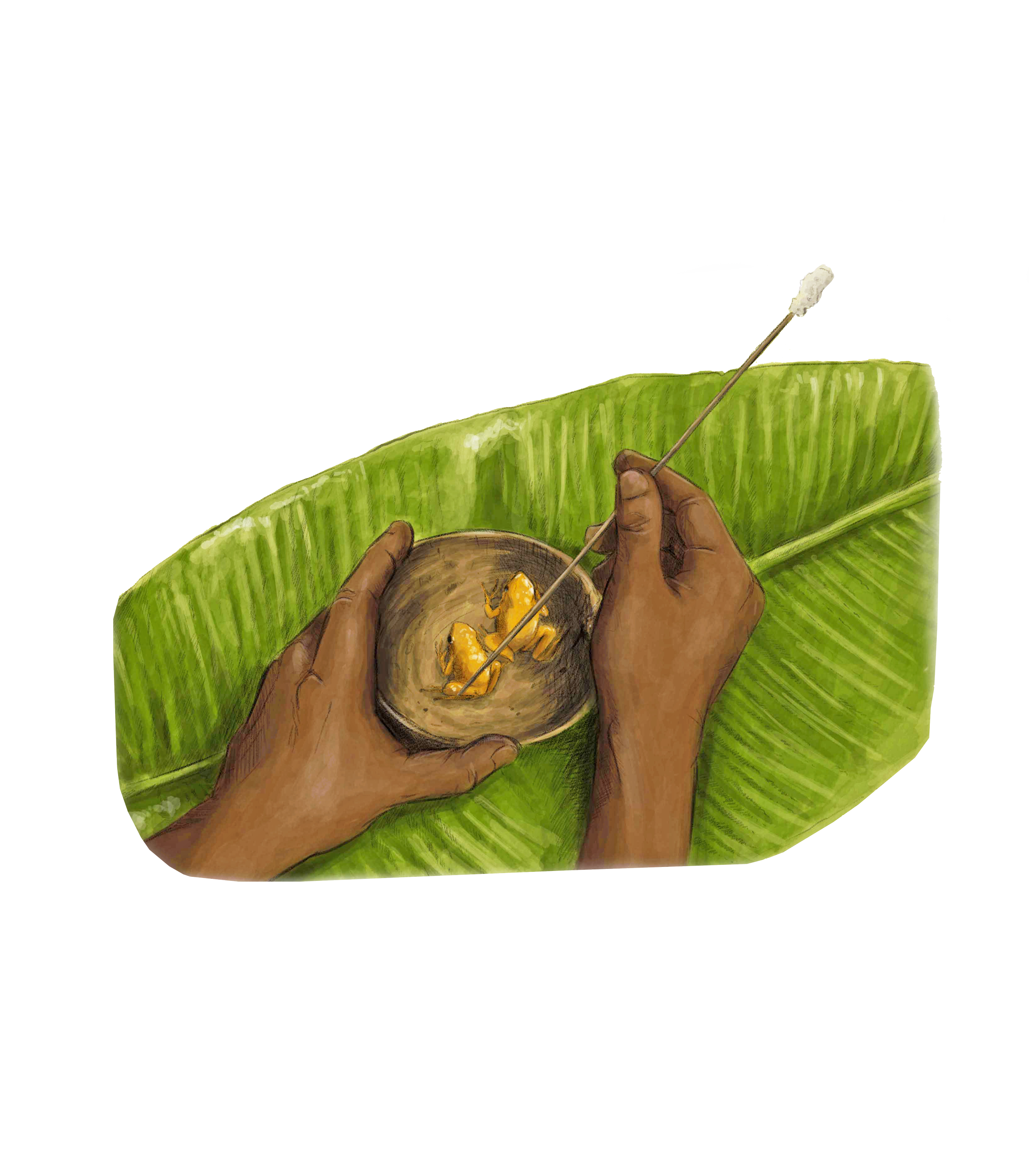
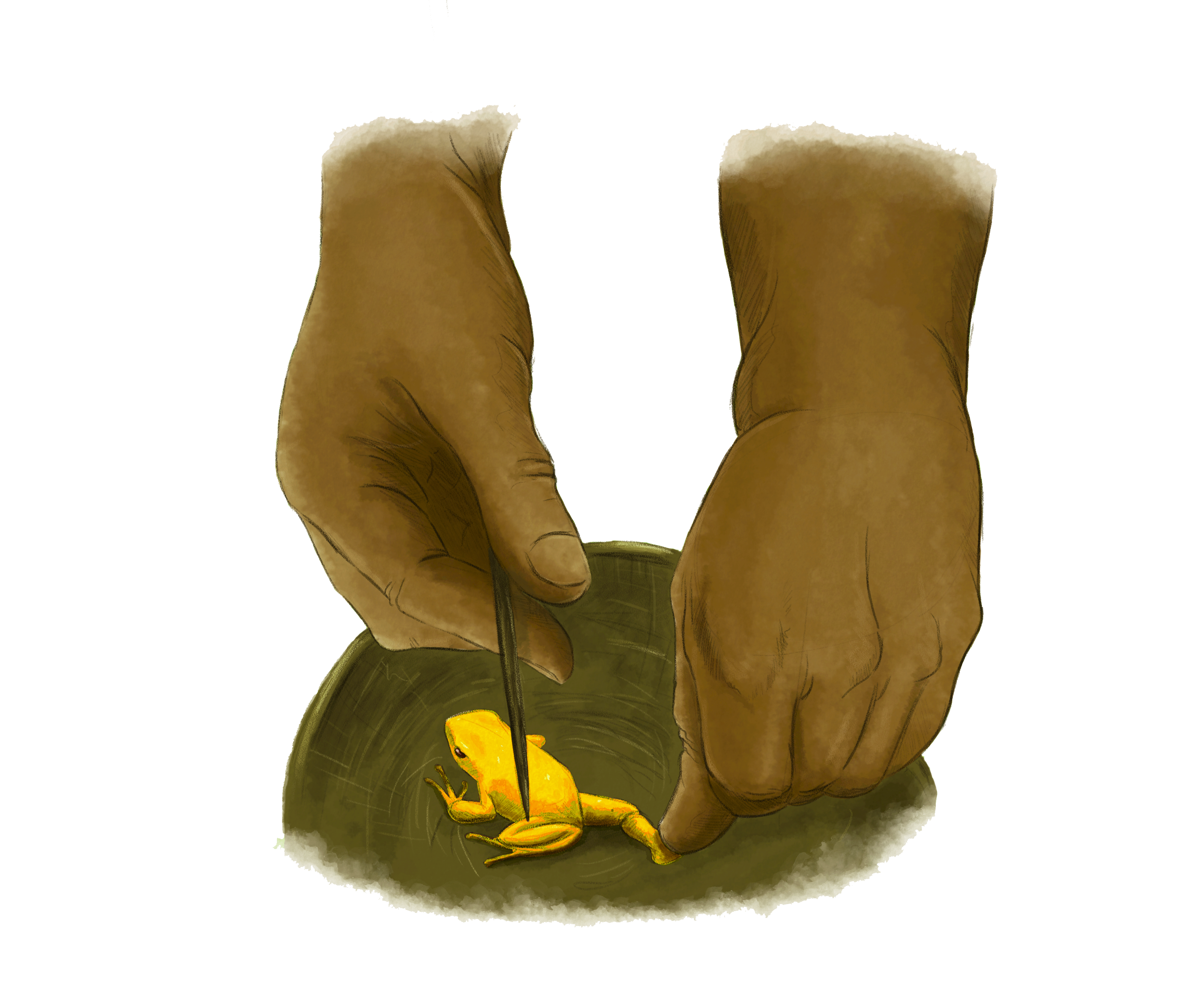
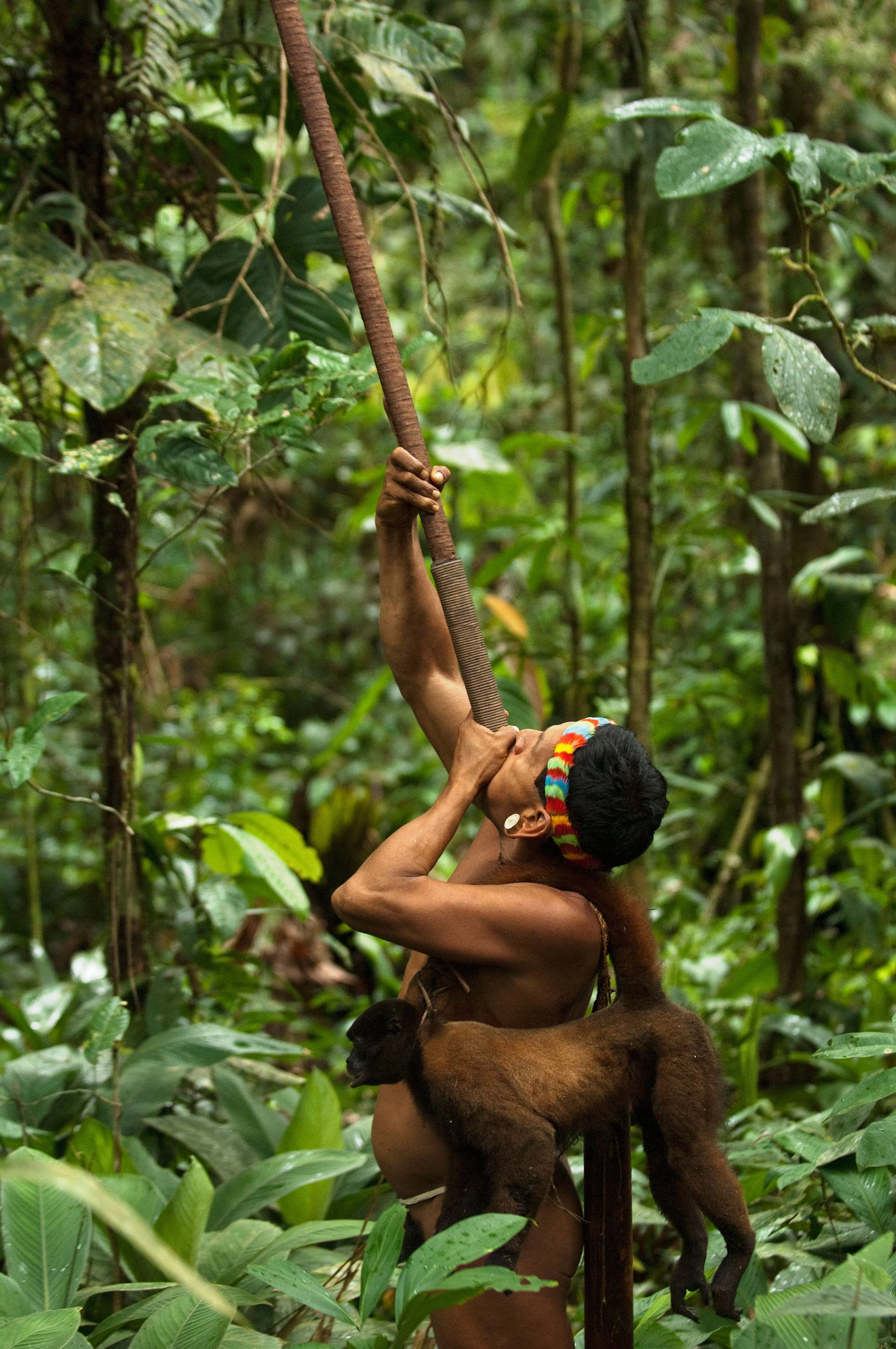
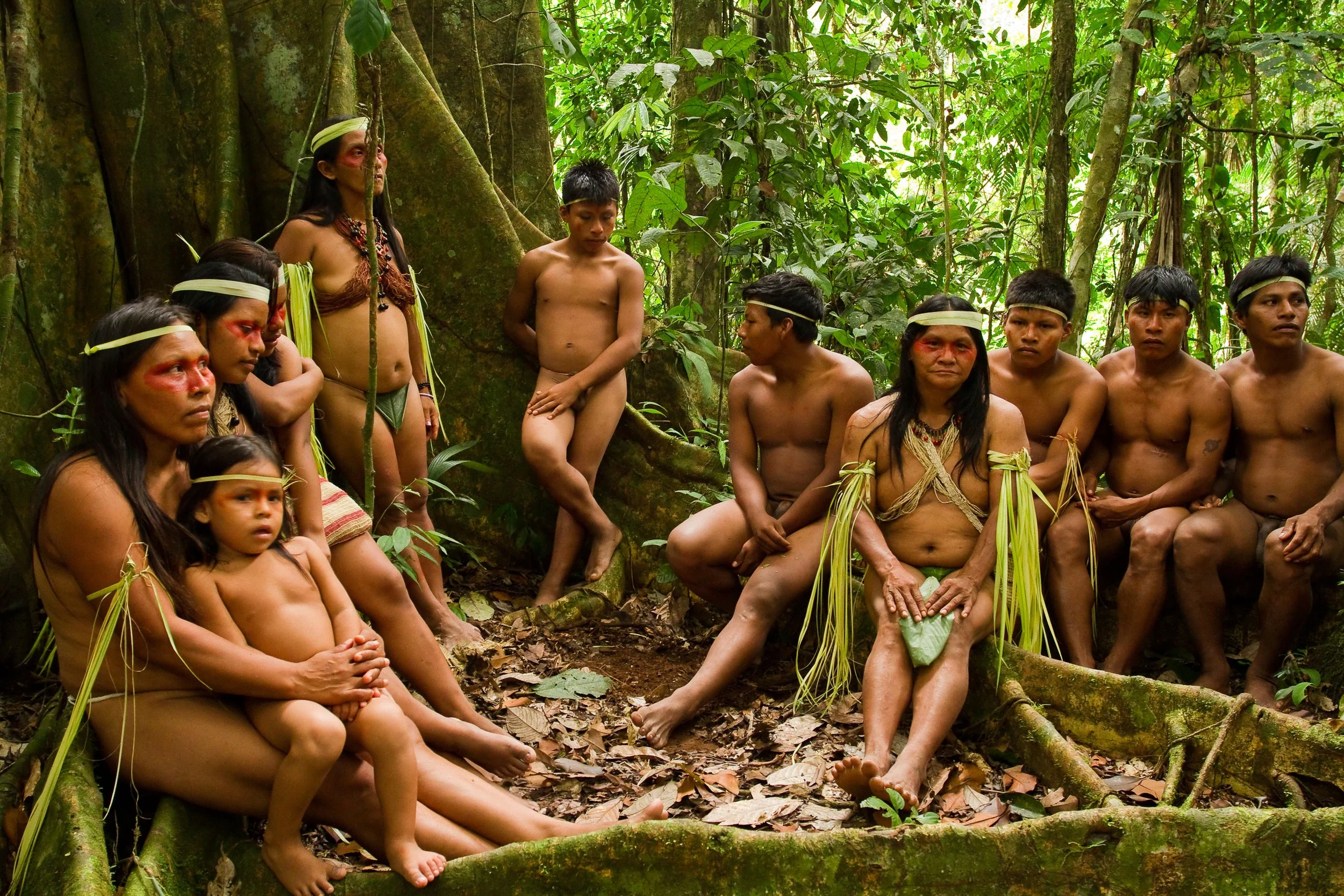
Indigenous communities in the Colombian Chocó, such as the Emberá and Cofán, have used the poison of this frog for centuries for hunting. The traditional process involved carefully capturing the frog, often using leaves to avoid direct contact. Hunters would then rub the tips of their darts or arrows against the frog's skin. The adhered poison could remain active for years, making the weapon lethal to sizable animals, even monkeys or other mammals.
This ancestral practice not only demonstrates a profound ecological understanding by these peoples but also explains why many Amazonian cultures were well aware of the frog's lethal properties long before Western science formally studied it.
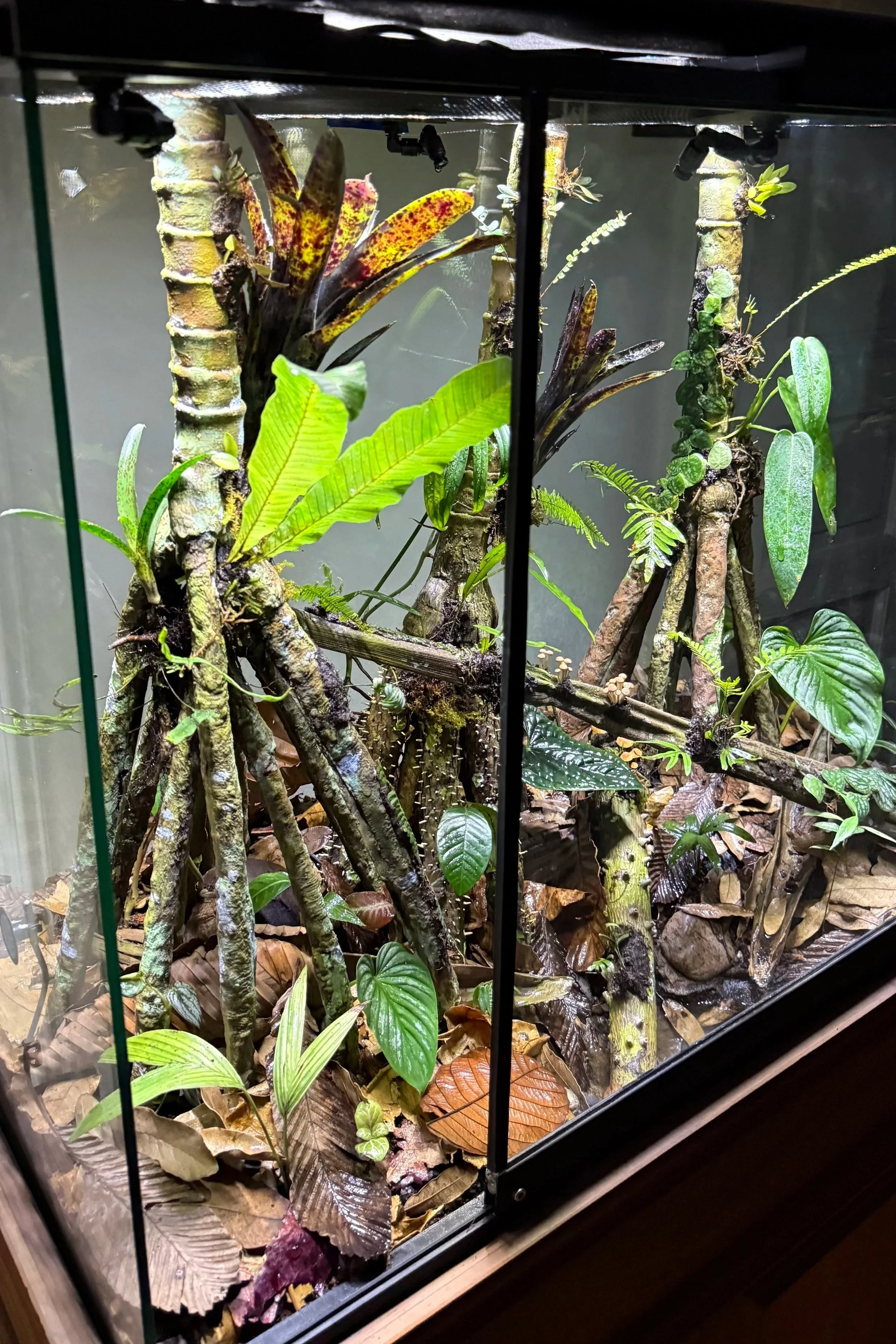
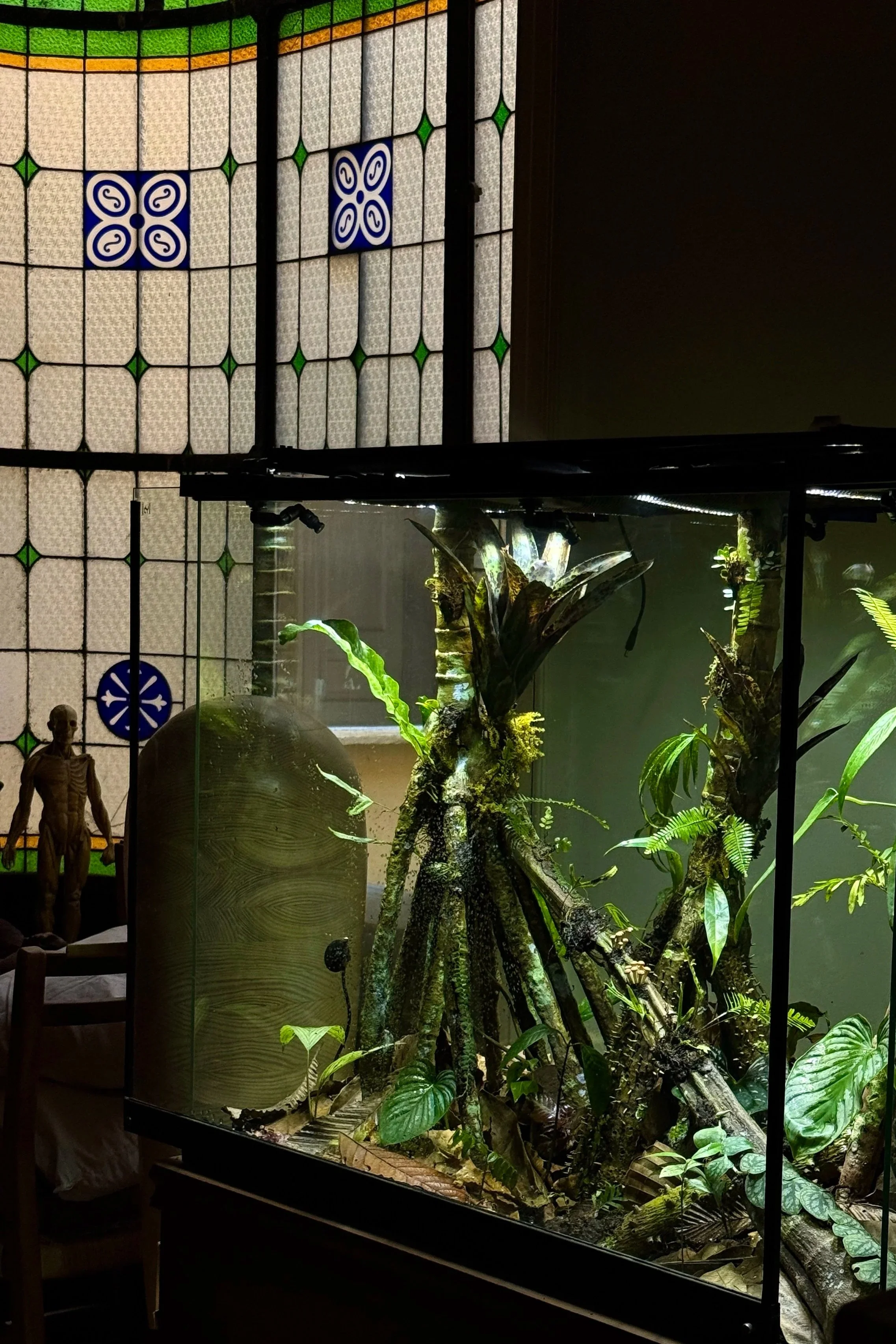
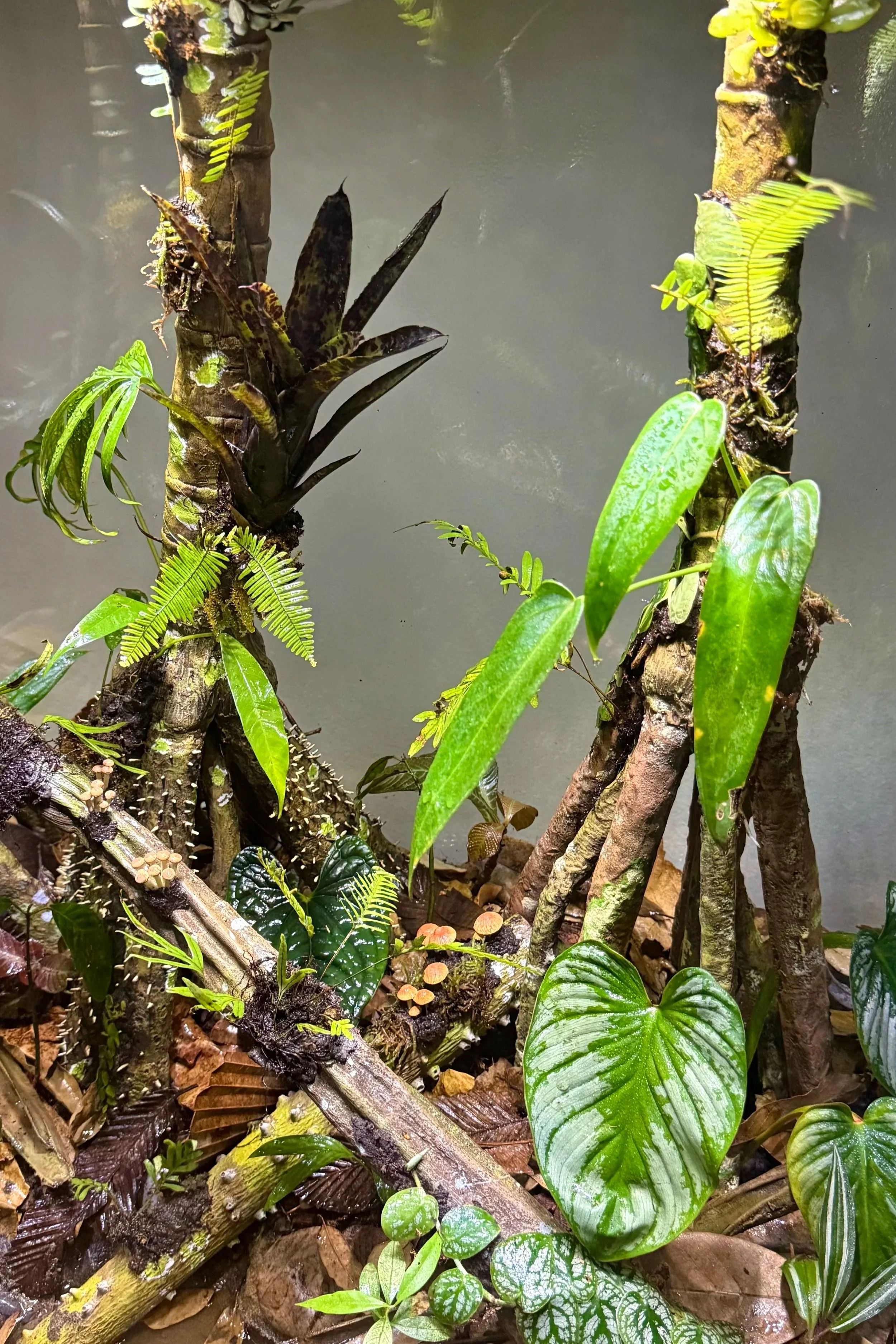
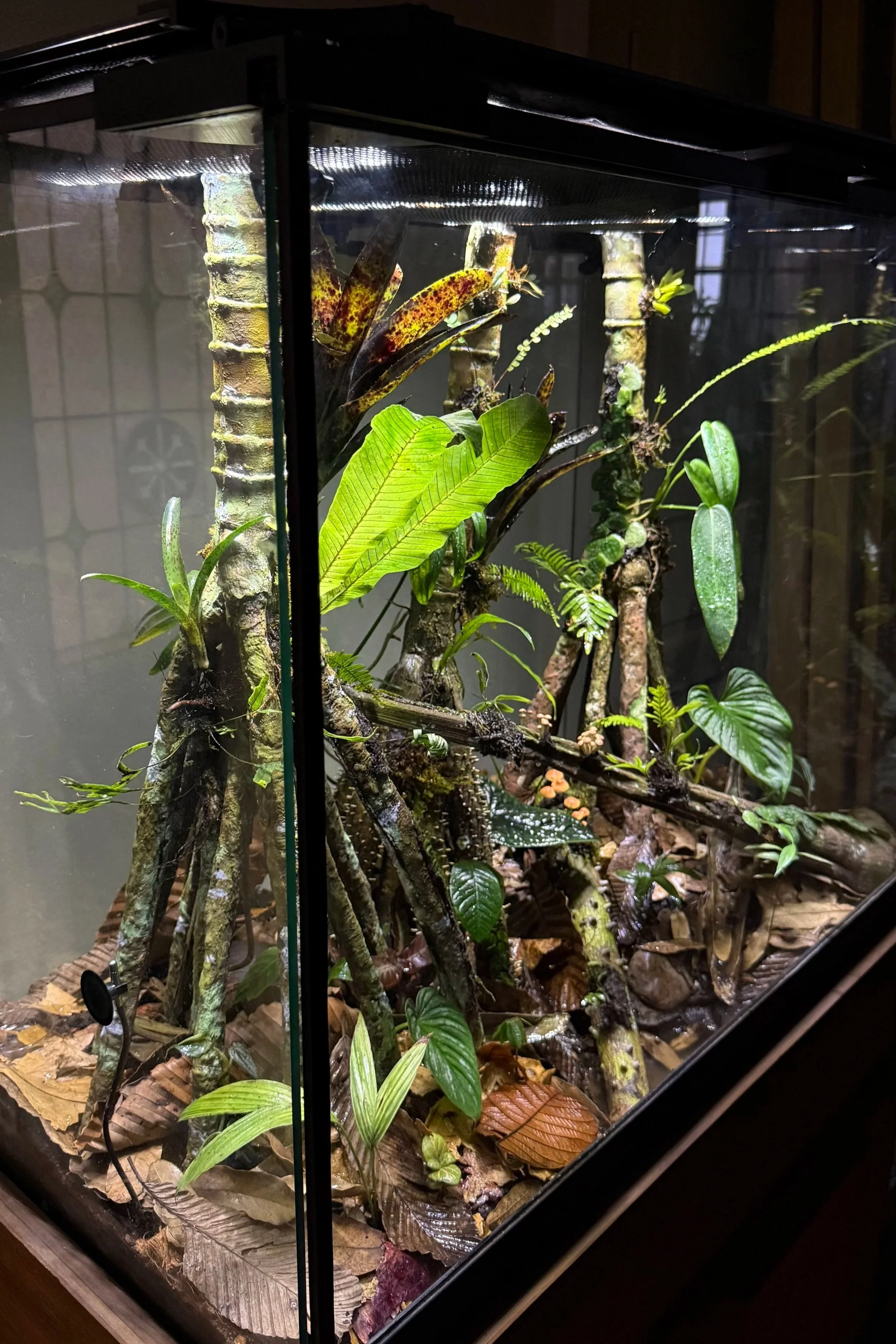
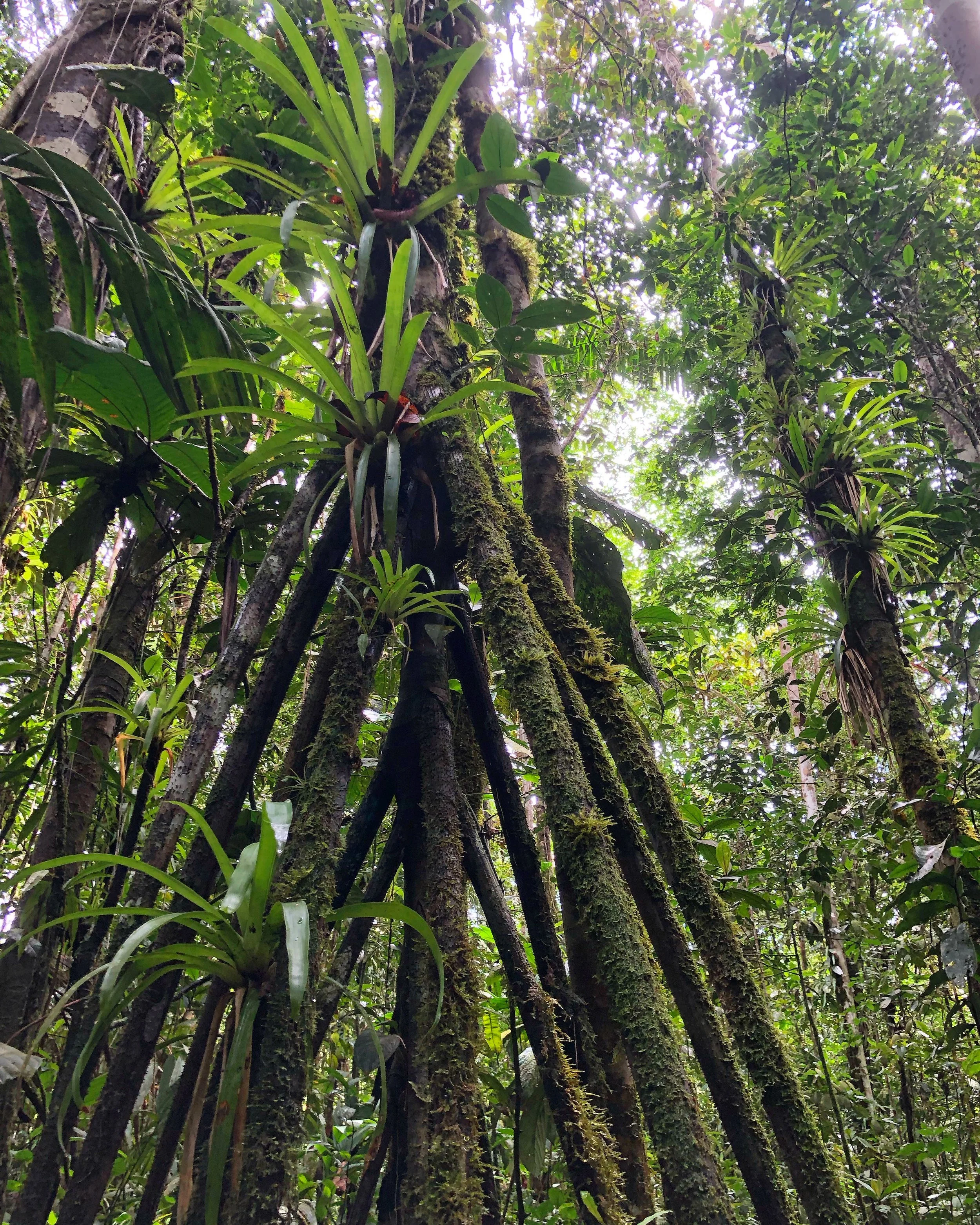
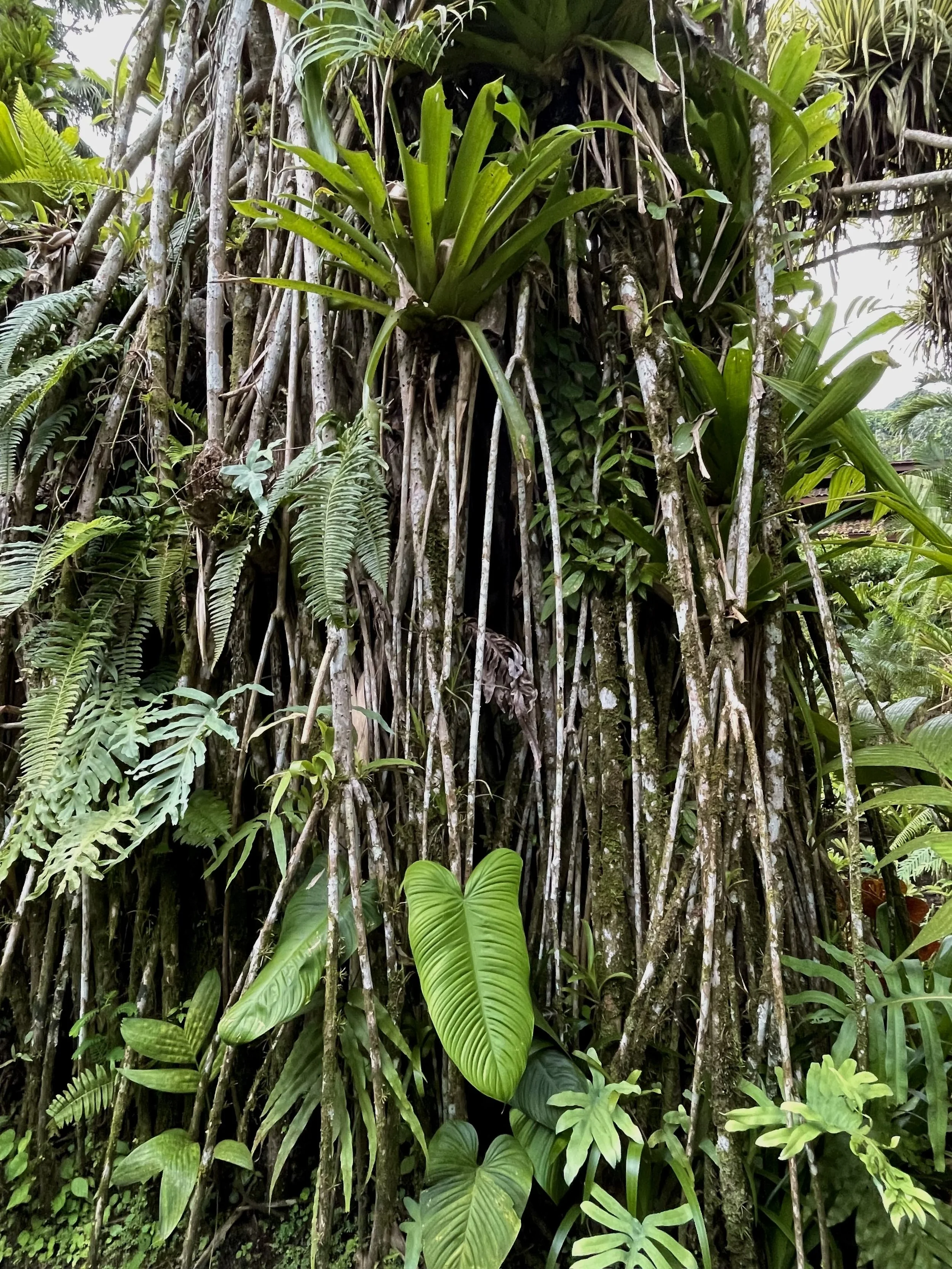
HABITAT
*
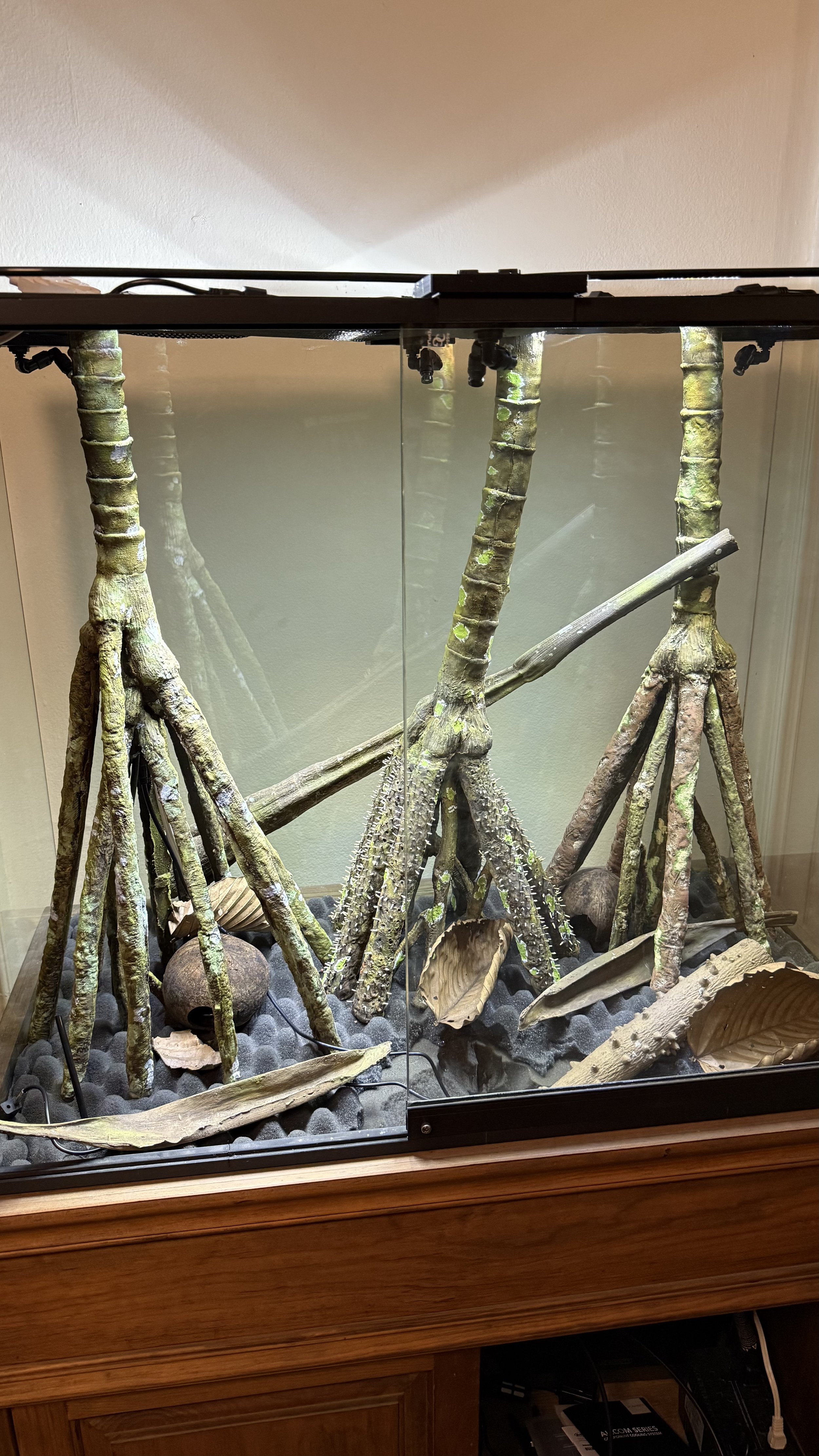
HABITAT *
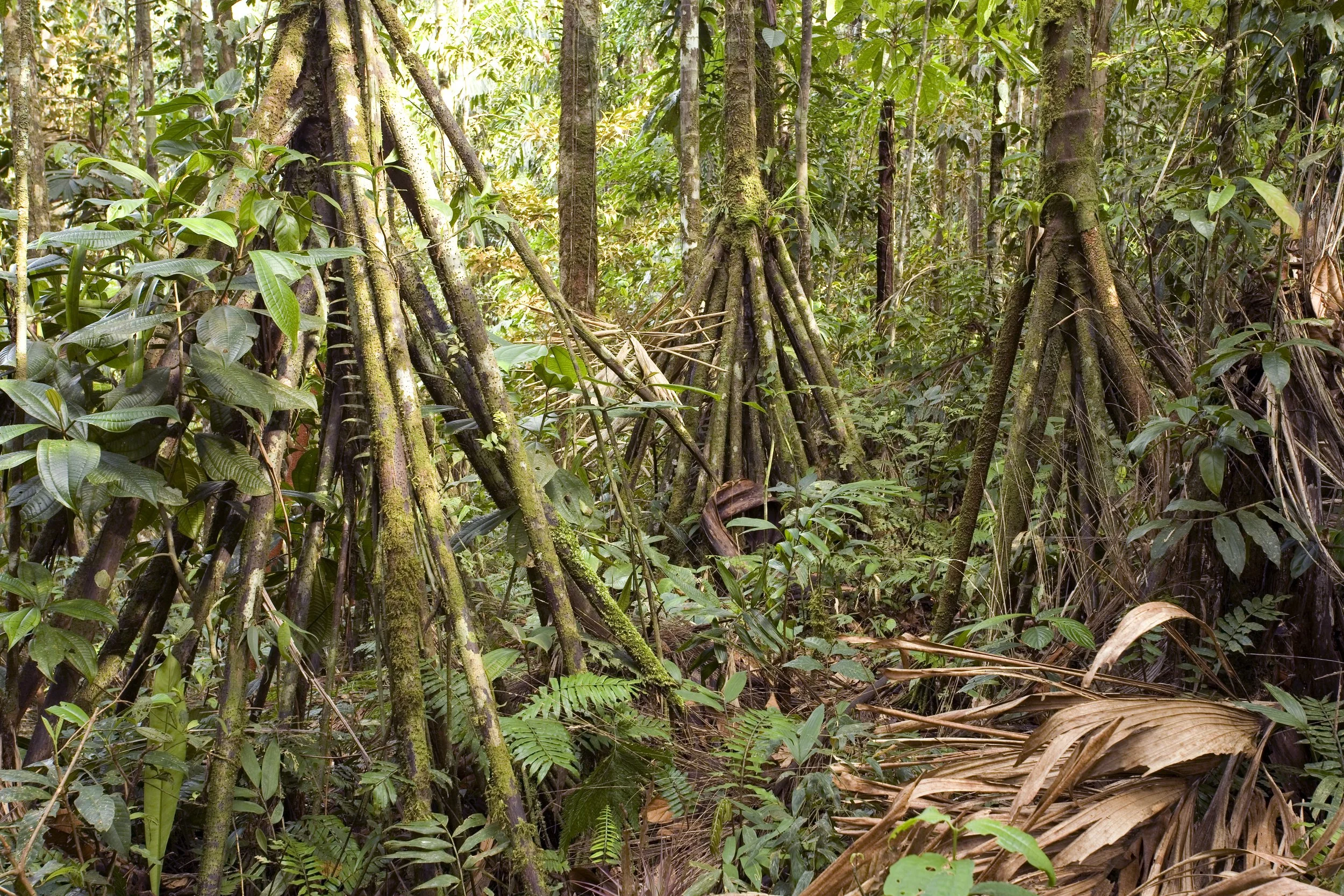
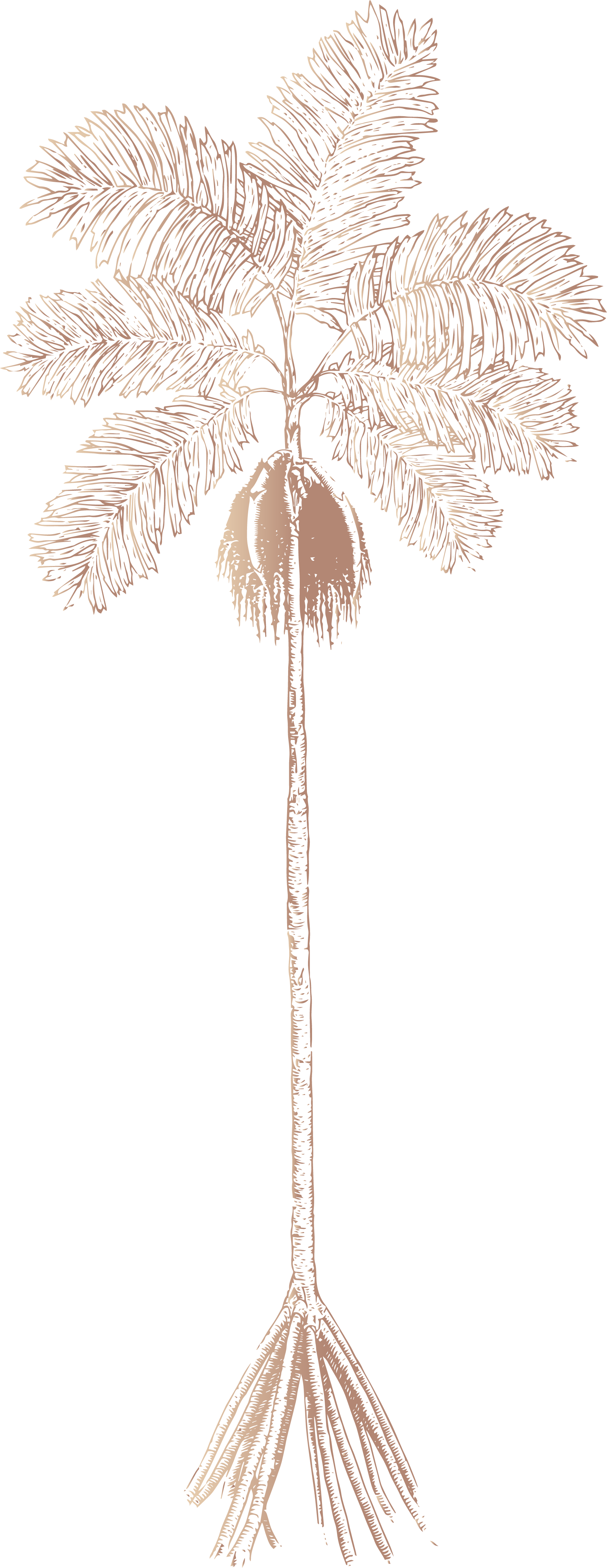
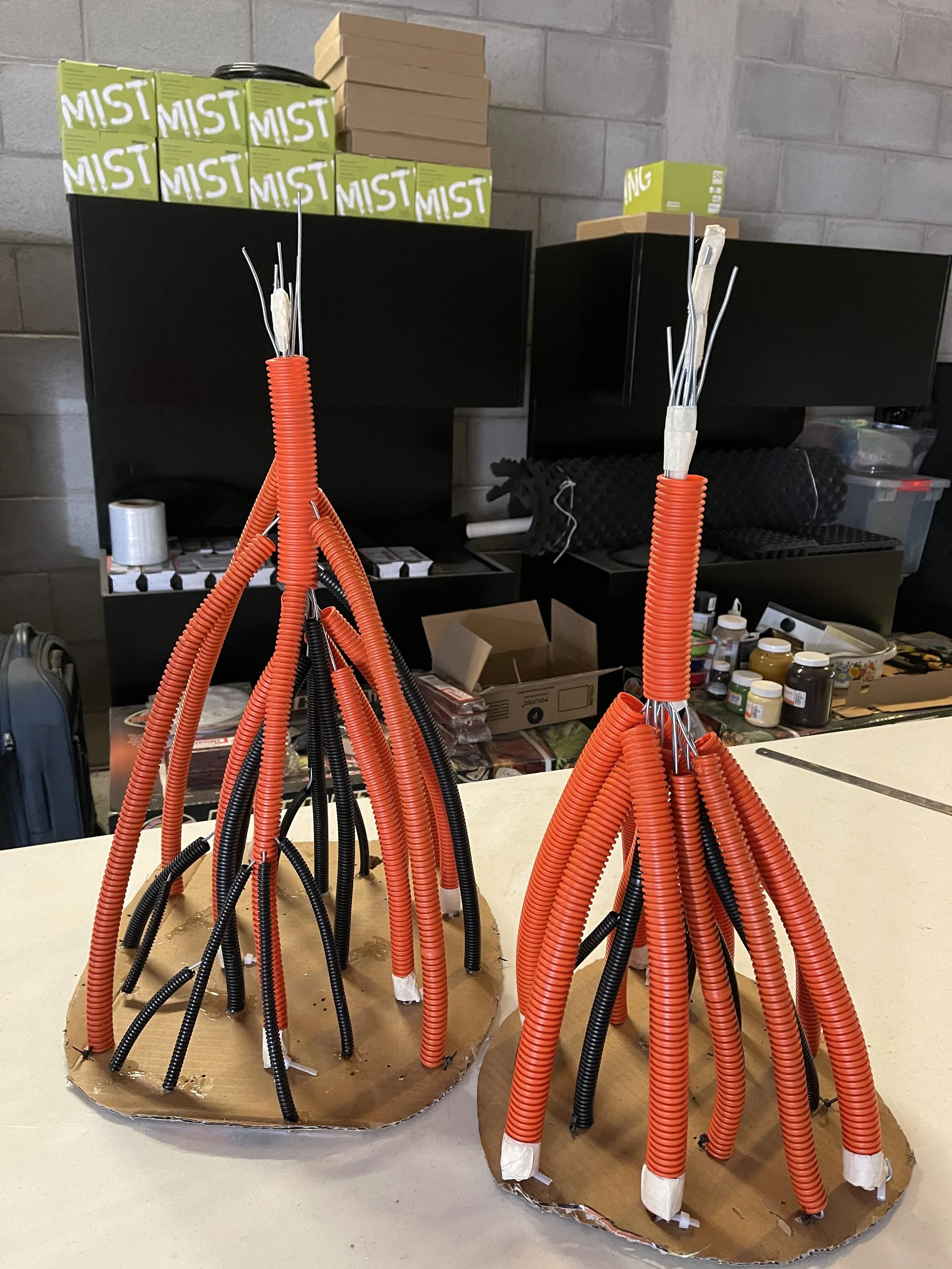
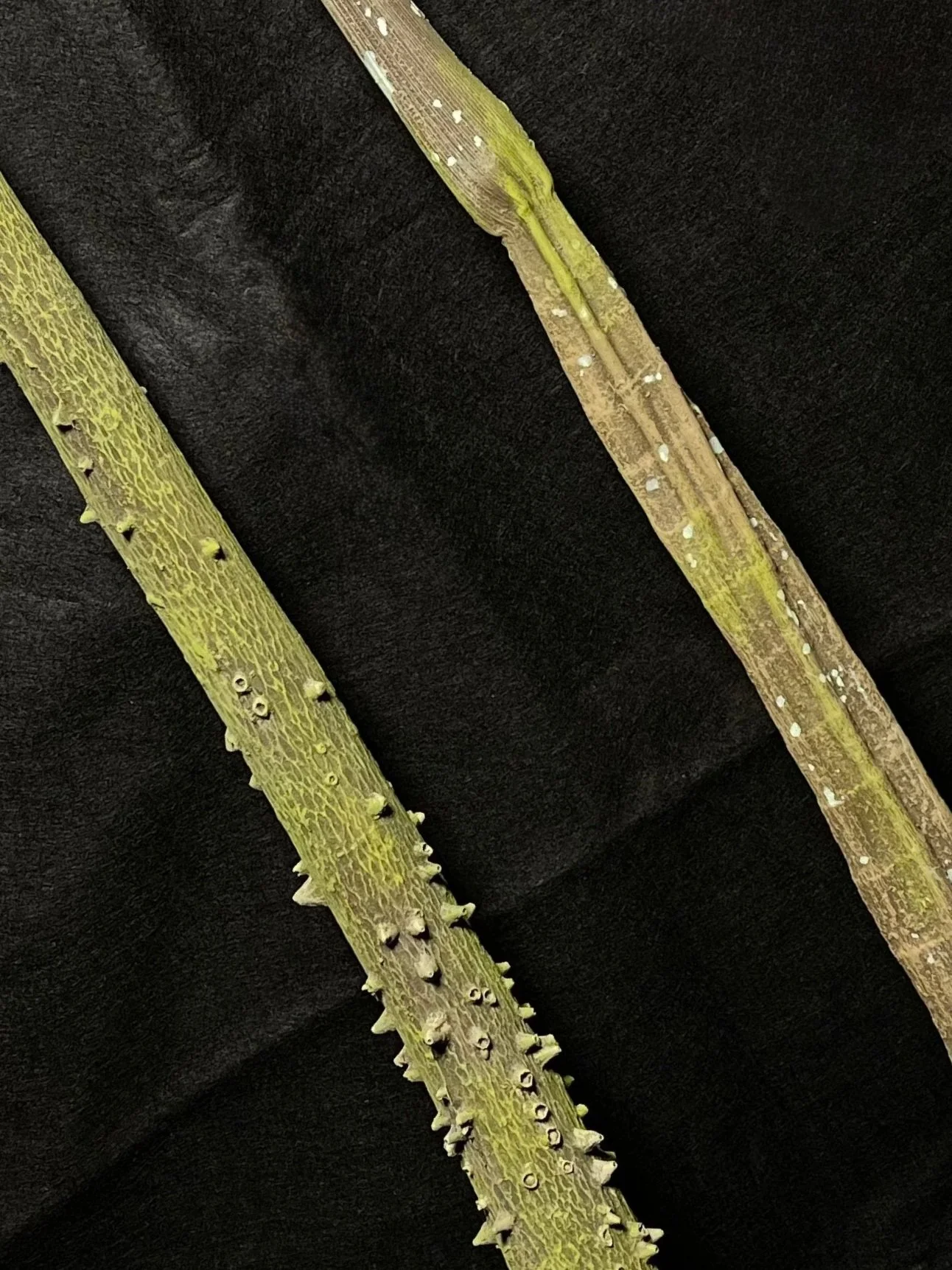
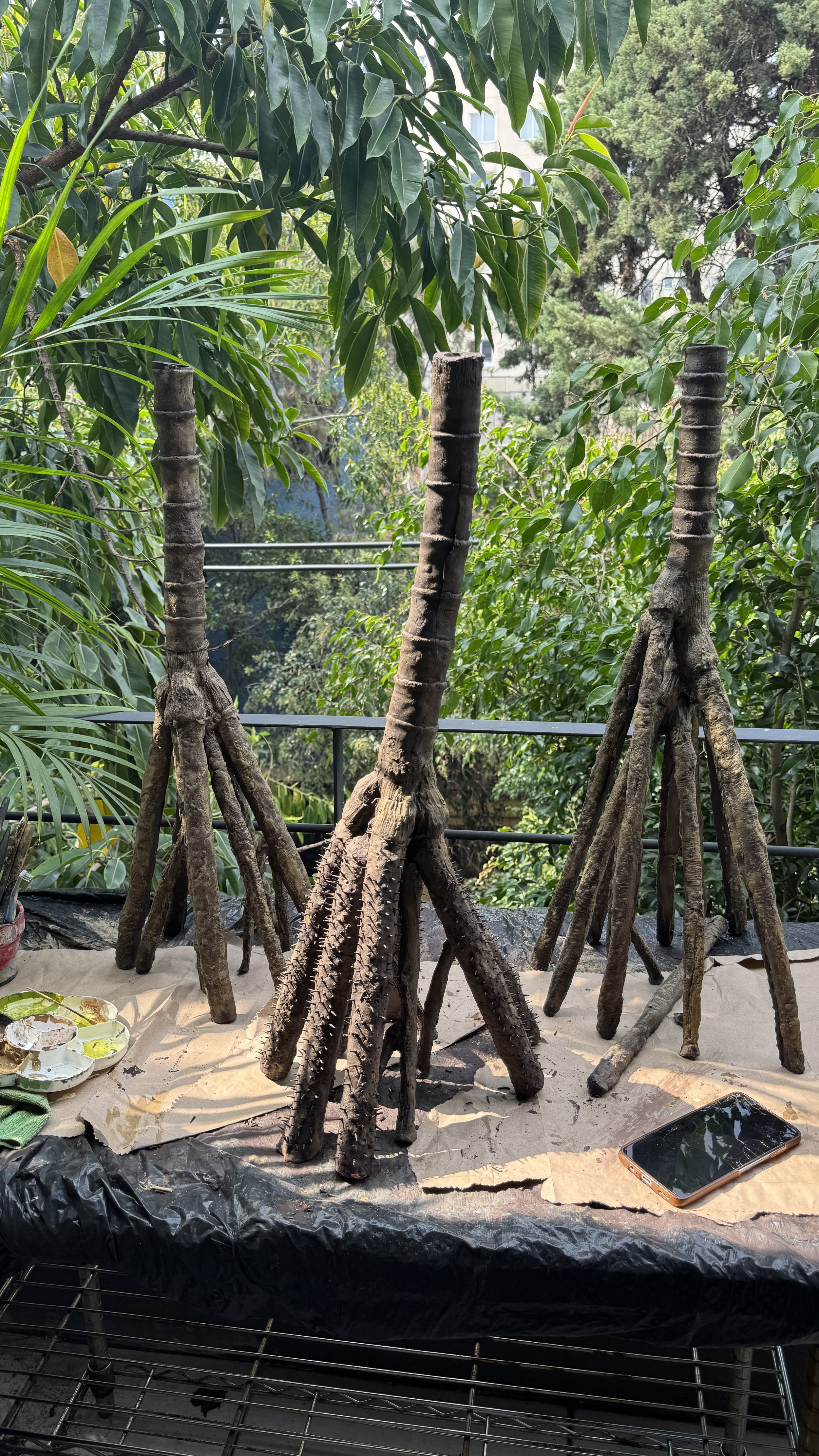
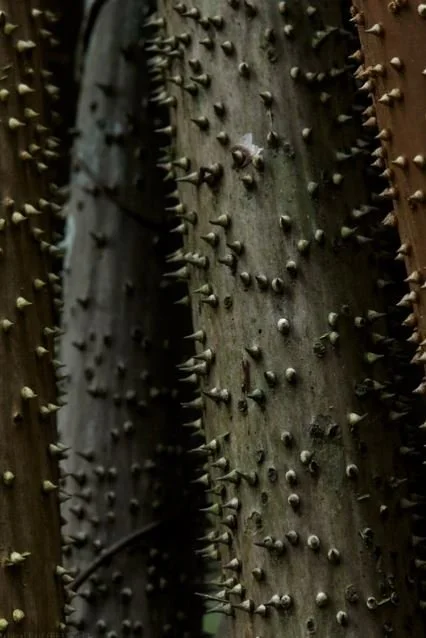
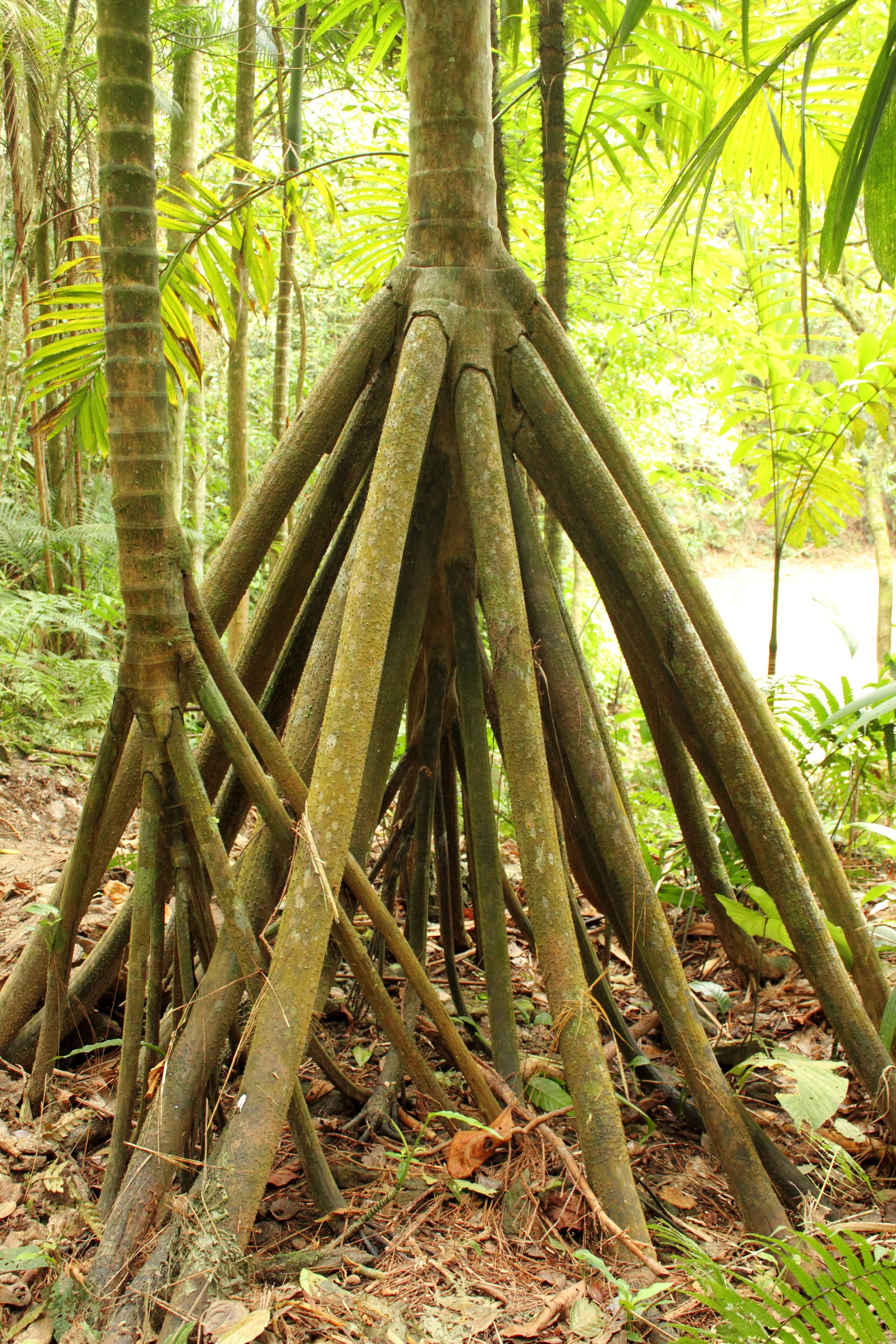
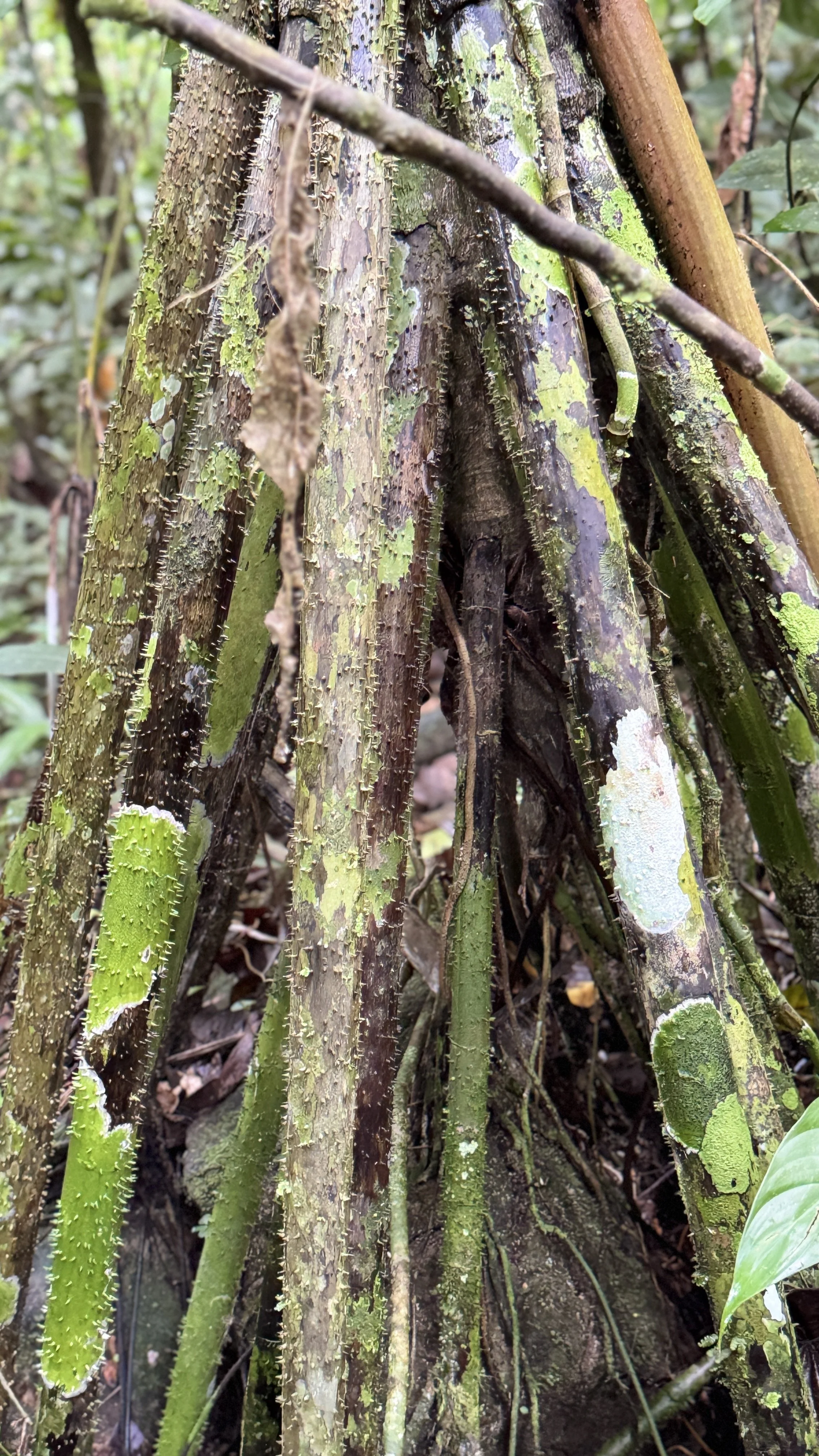
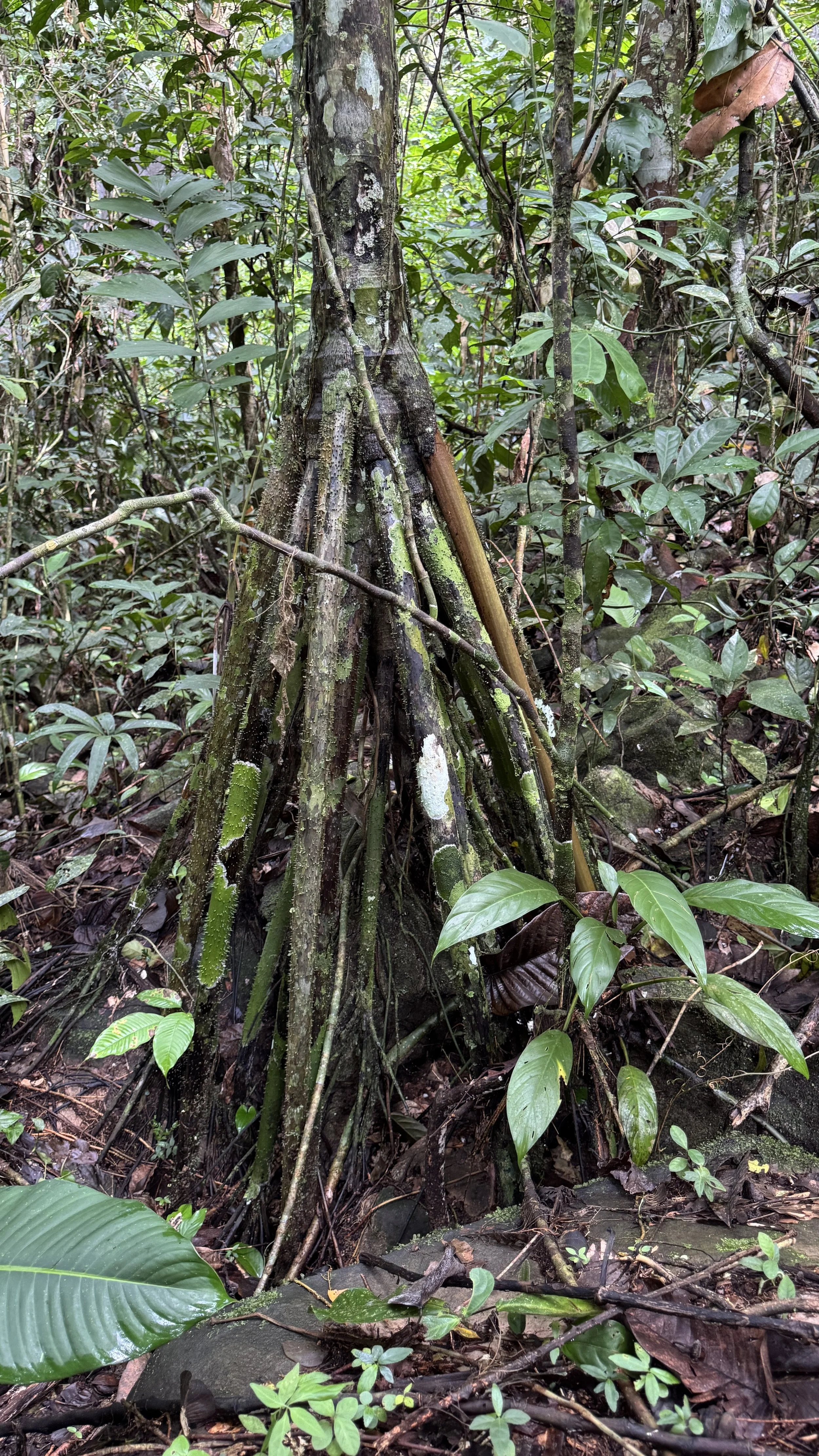
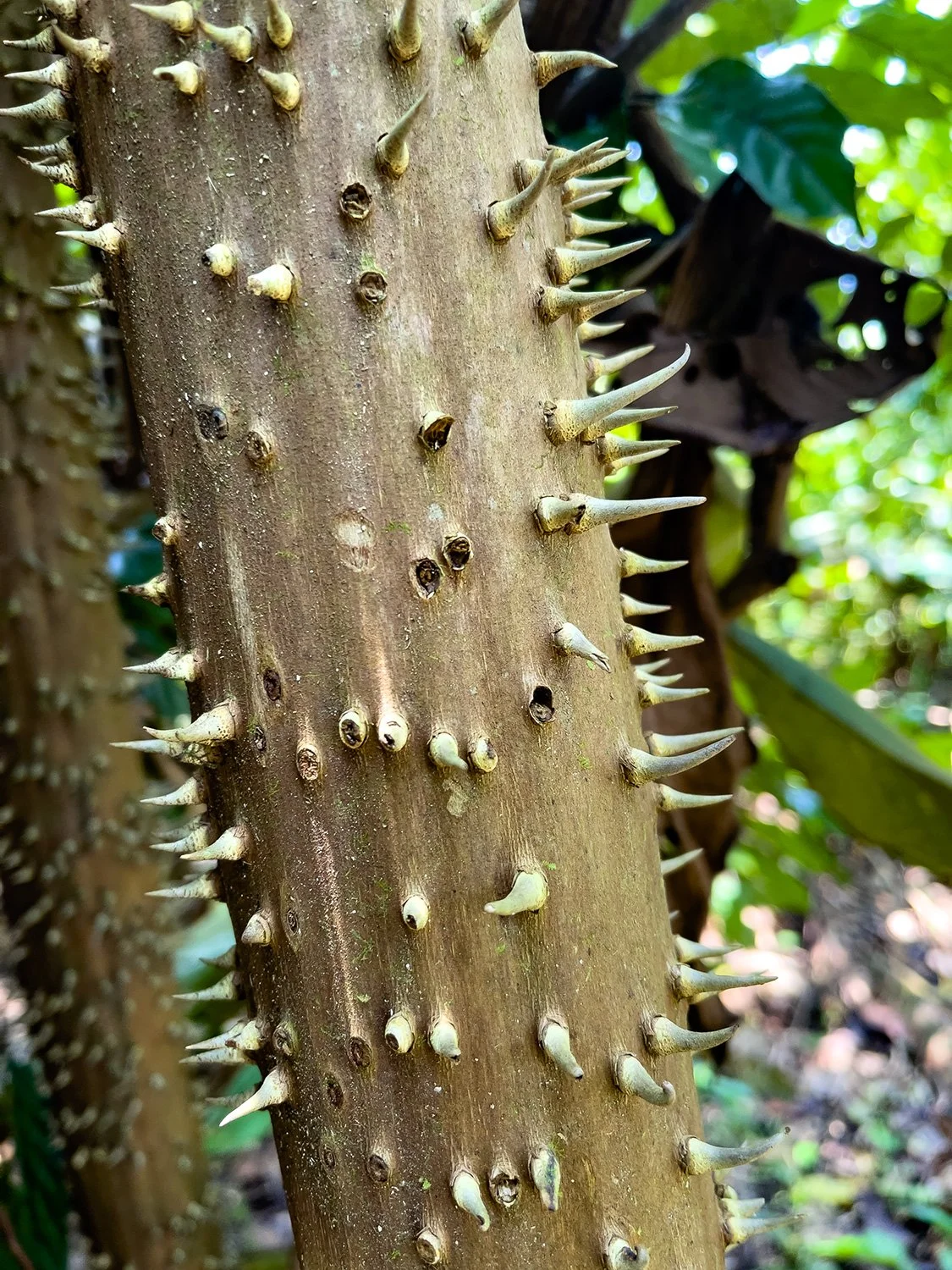
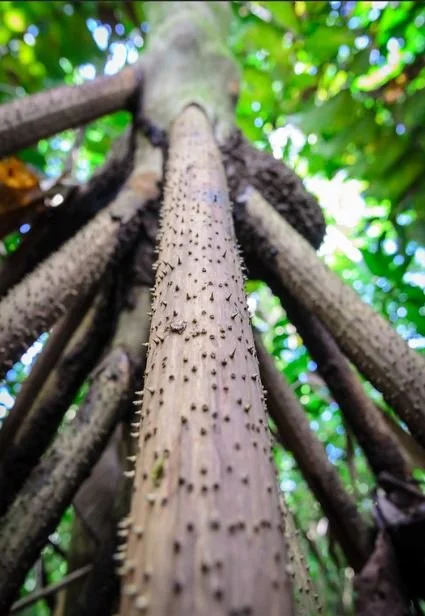
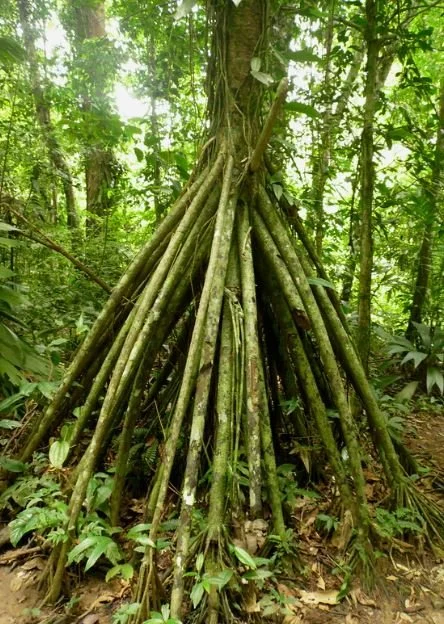
HABITAT elements - SOCRATEA EXHORRIZA palmtree
PROCESS
*
PROCESS *